
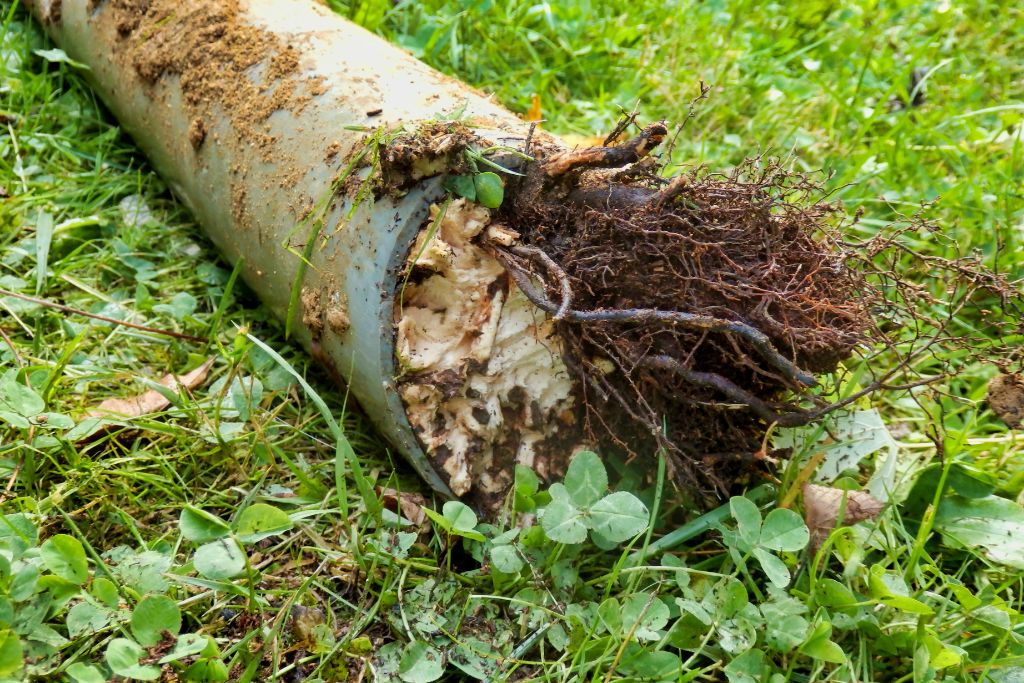
Have you ever dealt with tree roots in pipes before? If so, you’ll know all too well that it’s not just any minor plumbing nuisance. It’s actually the kind of problem that starts quietly – a slow drain here, a funny gurgle there. But it can then very suddenly turn into a full-on backed-up toilet or a flooded yard – usually at the worst possible time, too. And honestly, that’s what makes it so frustrating – you don’t always see it coming until it’s already a real mess.
The roots, though, are honestly just doing what roots do – chasing water. And your underground pipes, especially if they’re older clay or slightly cracked PVC, can quietly leak just enough moisture to attract them. Once a tiny root finds even the smallest gap or loose joint, it slips in, settles, and keeps growing. Before you know it, that thin little strand has thickened into a stubborn blockage pushing against your plumbing from the inside.
So, how do you know if this is happening at your place? And what should you actually do about it?
Let’s break down the signs of tree roots in pipes that homeowners just like you can spot for themselves – and what you should do about it.
1. Slow drains that keep coming back
Are your sink, shower, or bath drains all draining slowly – and using a plunger only works temporarily? That’s a definite red flag. Roots inside your line are creating a physical barrier that’s catching debris, toilet paper, grease, waste and all sorts of other gunk.
WHAT YOU CAN DO:
You can try a plunger or basic drain cleaner once. But if the issue keeps returning, it’s likely not just a surface blockage – it may be tree roots in drain pipes deeper underground.
WHEN TO CALL A PLUMBER:
If more than one fixture is draining slowly, skip the DIY attempts. That usually means the obstruction is in the main line, not just a single outlet.
2. Gurgling sounds from toilets or drains
Hearing odd bubbling or gurgling when water goes down? That’s almost certainly trapped air caused by partial blockage. And it’s what happens when you have tree roots in toilet pipes – but the good news is that it’s an early sign.
WHAT YOU CAN DO:
There’s very little DIY will do for this, unfortunately. Gurgling is often an early warning that something is restricting the flow further down.
WHEN TO CALL A PLUMBER:
If the gurgling happens alongside slow drains or fluctuating toilet water levels, it’s definitely time for a CCTV drain camera inspection. If you wait, you’re just asking for a full blockage.
3. Frequent sewage smells
If you notice unpleasant odours inside or outside your home – especially near drains or in the yard – tree roots may have already cracked or displaced pipe joints.
It’s really common with tree roots in plumbing pipes where older materials have deteriorated over time.
WHAT YOU CAN DO:
Check for obvious dry traps or internal issues first. But persistent sewer smells usually mean something underground is compromised.
WHEN TO CALL A PLUMBER:
Immediately! Because sewer gas leaks aren’t just unpleasant – they can indicate serious structural pipe failure, which is a big deal.
4. Wet or soggy patches in the yard
Have you noticed unusually green grass or damp patches that don’t dry out? You could be dealing with tree roots in stormwater pipes or sewer lines that have cracked and are now leaking underground – which your grass will obviously love!
Unfortunately, the roots have expanded inside your pipes, forcing the joints apart and allowing water to seep into the surrounding soil.
WHAT YOU CAN DO:
There’s no real DIY solution here, we’re afraid. Digging blindly can just cause more damage, so resist the urge!
WHEN TO CALL A PLUMBER:
A licensed plumber can use CCTV inspection to pinpoint exactly where the break is before any excavation or other work begins.
5. Recurring blocked toilets
If your toilet blocks repeatedly without an obvious cause, especially in an older property, tree roots may now be intruding into your main sewer line.
It’s at this point that you may be wondering: ‘Tree roots in pipes, who is responsible?’. In other words, are you responsible for this, or could it actually be more like a council sewer issue?
Well, if the blockage is within your property boundary – and it probably is – the repair falls to you, the homeowner. If it’s beyond the boundary connection, it may involve the local council or water authority. Not sure? A plumber can quickly help clarify.
6. Backups during heavy rain
Your stormwater systems can also be affected by tree roots. If you’re seeing overflowing grates or slow-draining outdoor pits after rain, it’s a pretty good sign of tree roots in drainage pipes that are restricting the flow.
WHAT YOU CAN DO:
Clear the surface debris from your grates and downpipes first.
WHEN TO CALL A PLUMBER:
If the flooding persists after clearing your grates, the blockage is likely underground – and roots are a common culprit.
Can you kill the roots yourself?
This is where a lot of online advice can be misleading. Because people are always asking how to kill tree roots in pipes, hoping for a quick chemical fix or something. And yes, there are root-killing foams and copper sulphate treatments out there – and these sorts of products can sometimes slow regrowth.
But here’s the reality:
- Chemical treatments don’t repair cracked pipes.
- Dead roots still sit inside the line until cleared.
- Severe infestations won’t be resolved by DIY products alone.
- Improper use can damage plumbing or the environment.
Even when homeowners attempt killing tree roots in sewer pipes, it’s usually a temporary measure at best. If the roots have really established themselves, the pipe has already been compromised – so it’s too late.
In some cases, a professional may recommend mechanical root cutting and/or pipe relining – far more permanent solutions than chemicals alone.
Why professional treatment matters
When it comes to tree roots in drainage pipes, proper diagnosis is the real key here. An experienced and licensed plumbing team will typically:
- Conduct CCTV camera inspection to confirm root intrusion
- Mechanically cut and clear roots using specialised equipment
- Assess structural pipe condition
- Recommend pipe relining if cracks are present
- Ensure flow is fully restored.
Attempting repeated DIY fixes can actually allow the damage to worsen. And then, what started as a partial blockage can become a totally collapsed pipe, a devastating excavation job, or major disruption to your property in another way.
How Gold Coast Plumbing and Hot Water can help
Unfortunately, tree root issues aren’t rare on the Gold Coast – especially in established suburbs with all the mature trees and older plumbing pipework.
The team at Gold Coast Plumbing and Hot Water uses advanced gear like CCTV drain inspection cameras and high-pressure water jetting equipment – and more – to properly remove the roots, repair the damage, and restore the flow. If the pipe has been damaged, they can advise on long-term solutions like relining, helping you avoid repeated blockages year after year after year.
Don’t ignore the early warning signs
Are you noticing:
- Slow drains?
- Gurgling toilets?
- Strange smells?
- Soggy lawn patches?
Don’t brush it off, because those roots won’t shrink back on their own. All they’ll do is grow. The earlier you address tree roots in pipes, the easier and more affordable the solution tends to be.
If something doesn’t feel right with your drains, contact the experts at Gold Coast Plumbing and Hot Water for fast, local support. A quick inspection today can save you from a far bigger plumbing headache tomorrow.

